Broken, Worn, or Missing: How to Think About Repairing a Tooth
Whether it's one chipped tooth or several years of wear, there's usually more than one way to fix it.
September 21, 2026 · 3 min read
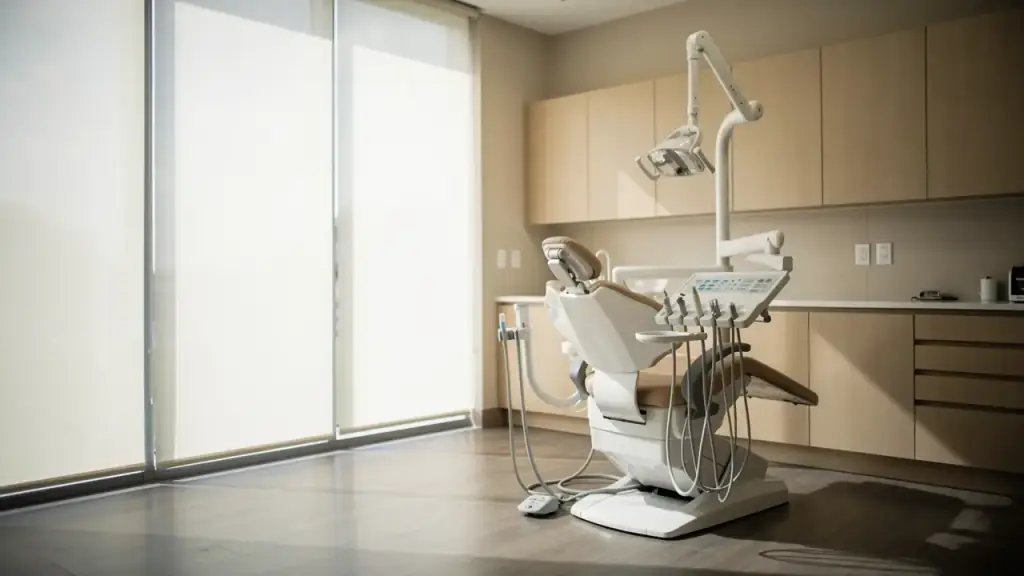
There's a wide range of what people mean when they say a tooth needs fixing. Sometimes it's one chipped or broken tooth from a fall or a bad bite down on something hard. Sometimes it's years of gradual wear that finally catches up, from grinding, from age, or just from decades of normal use. And sometimes it's a missing tooth that's been left alone long enough that it's started to feel permanent. All three are more common than people think, and none of them are situations you have to just live with.
Why it's worth addressing sooner
A tooth that's broken, worn, or missing rarely stays exactly as it is. Neighboring teeth can shift to fill a gap, a chip can worsen with continued use, and worn enamel keeps thinning the longer it's exposed to the same daily pressure. None of that means panic is the right response, it usually isn't, but it does mean that a repair tends to be simpler and less involved the sooner it's looked at, rather than after months or years of the surrounding teeth adjusting to the problem.
How we approach it
If you're dealing with pain, or a tooth that's broken, worn, or missing, our restorative dentistry work is built around getting you back to eating, speaking, and smiling without thinking about it. That starts with a real look at what's actually going on, not a one-size answer. Depending on the tooth and how it's affected, that might mean a crown to rebuild a tooth that's cracked or heavily worn, a bridge to fill a gap left by a missing tooth, a dental implant as a longer-term replacement, or a combination of approaches when more than one tooth is involved.
Cosmetic considerations, when they matter
For teeth where appearance is part of the concern, alongside function, we also offer veneers and porcelain crowns, which can restore both the strength of a tooth and how it looks. The goal in either case is the same: results that hold up to normal use and look like they belong, not results that announce themselves as dental work every time you smile.
When more than one tooth is involved
Not every case is a single chipped tooth. Years of grinding, general wear, or a long stretch without regular care can affect several teeth at once, and it's easy to stop noticing gradual wear because it happens slowly enough that it never feels sudden. If that's closer to your situation, the plan usually looks a little different: addressing the most pressing teeth first, then working through the rest in a sequence that makes sense for your schedule and your budget, rather than trying to do everything at once.
What to expect from the visit
The first appointment is mostly about assessment. One of our dentists, Dr. Sarah Billesbach, Dr. Ben Mancuso, or Dr. Morgan Brower, will look at the tooth or teeth in question, talk through what's realistic, and lay out the options rather than pushing toward the most expensive one by default. You'll leave with an actual plan, not just a diagnosis.
After a repair, keeping up with regular check-ups matters more than usual for a while. A new crown, bridge, or implant is built to hold up to normal daily use, but like any dental work, it does best when it's checked periodically rather than assumed to be fine indefinitely. Most of the time that just means folding it into your existing six-month visits rather than anything extra.
Mancuso Dental accepts most dental insurance plans and is in network for PPO coverage. If you don't have insurance, we also work with patients paying out of pocket, so cost concerns are worth raising early rather than a reason to put the visit off. If something's been bothering you, or you've had a chip or a gap you've been meaning to deal with, call 402-397-7799 and get it looked at.
Mancuso Dental, 402-397-7799
Call 402-397-7799More articles
What Actually Happens at a Routine Dental Check-Up
A cleaning, an exam, and a chance to catch small problems before they turn into bigger ones.
Taking a Nervous Kid (or Adult) to the Dentist for the First Time
Whether it's a toddler's first visit or an adult coming back after years away, the approach is the same: slow down and explain everything.